

On one of the most important days of your life, you create memories that will last a lifetime. Later, you will revisit this day through photographs, as they capture moments frozen in time. This is why hiring a wedding photographer who truly understands and values you is so important. They can preserve the delicate, unforgettable moments of your day in images you will cherish forever. But you may be wondering how to choose the photographer who can deliver the results you want.
In this guide, you will learn which questions to ask a wedding photographer before hiring them. Using this list helps ensure you cover important topics such as style, experience, pricing, and logistics. As a result, you can feel informed and confident, knowing you have chosen a photographer whose skills, approach, and values align with your vision for your wedding day.
Why Asking the Right Questions Matters
Your wedding photographer is more than a vendor; they are the person responsible for capturing your memories. Asking the right questions serves two important purposes. First, it helps you understand how the photographer works, how reliable they are, and what their working style is like beyond the photos in their portfolio.
Second, it helps set clear expectations for both sides, reducing the chances of confusion about deliverables, timelines, and costs. Taking this step makes the difference between hoping for great photos and enjoying a smooth, stress-free experience that results in images you will love.
The right questions also protect you legally and financially. Clear answers about contracts, cancellation terms, image rights, and backup plans reduce risk. They ensure both sides share the same expectations from the start.
Availability and Experience
Begin by asking the photographer about their availability on your wedding date and about their professional experience. Their background and experience matter because they affect how well they capture great photos and manage the fast-paced, high-pressure moments of your wedding day.
Are you available on my wedding date?
This is the first and most practical question. The answer should be “yes” cause if the photographer isn’t available, the other questions don’t matter. Availability confirms whether they can fully commit to your wedding day, and popular photographers often book months in advance, especially during peak seasons. Asking this first helps avoid wasted time and unnecessary discussions.
How far in advance do I need to book you?
This gives you a sense of their demand and helps plan your timeline. Photographers with structured booking processes usually work professionally and manage their schedules carefully. Popular wedding photographers often book 12–18 months in advance, especially for peak-season weekends. Knowing this allows you to gauge both their availability and your own planning needs.
How long have you been a wedding photographer?
Experience reflects familiarity with real wedding conditions, including low light, tight schedules, emotional moments, and unexpected changes. A photographer with extensive wedding-specific experience handles these challenges calmly.
How many weddings have you shot?
This question provides context for experience. Shooting a few weddings is very different from documenting dozens or hundreds of events, and high-volume experience often results in greater consistency. For example, a photographer who has shot 30 weddings a year for five years typically has more practical expertise than someone with ten years of experience photographing only a handful of weddings.
Have you ever photographed weddings that were similar to my size and style?
Every wedding is unique in scale and atmosphere. Experience with similar guest counts, venues, and cultural traditions helps the photographer understand the pacing and coverage your day requires. A great wedding photographer can adapt to any size of wedding, but a 300-person formal ballroom celebration requires different skills than a 50-person backyard gathering. Focus on finding experience that is specific and relevant to your wedding.
How many other weddings will you photograph that weekend?
This gives insight into how the photographer manages their workload. Handling multiple weddings in a short period can affect their energy, preparation, and delivery timelines. Many top professionals limit themselves to one event per weekend to stay fully focused, though some can handle more than one while still maintaining high quality. There’s no right or wrong answer here; if you have any doubts, you can take it into consideration when making your decision to select a photographer.
Have you ever shot a wedding at our venue? If not, will you come to check in advance?
If a photographer has worked at your venue before, they can capture amazing photos without lots of trial and error. Familiarity with the space helps them understand lighting, layouts, and timing. If they have not worked at your venue, a site visit in advance shows their preparation and professionalism.
Have you ever worked with our wedding planner?
It doesn’t matter how the photographer answers this question, as long as the venue or other vendors do not require you to work with someone they approve. However, existing working relationships can be helpful. Familiar teams often communicate more smoothly and reduce delays during important moments of the day.
Do you offer video services as well?
Some wedding photographers also offer videography services. While photographs capture still moments, a wedding video captures movement, sound, and emotion in a way photos cannot. Videography is usually available at an additional cost, so it is important to ask about pricing and what is included. Wedding videos have become increasingly popular, especially due to celebrity weddings and social media influence, making them a meaningful add-on for many couples.
Approach, Values, and Style
This section goes beyond basic questions and focuses on understanding the photographer’s artistic approach and philosophy. Their answers should help you feel connected to their perspective and confident in their vision for your wedding day.
What is the meaning of love and marriage for you?
This question reveals the photographer’s mindset. A photographer who values relationships and long-term commitment often approaches weddings with greater care, respect, and attention to detail.
Do you love what you do? Are you passionate about photography?
The answer should be “yes,” because someone who truly loves what they do is more likely to capture love and emotion through their photography. Passion shows through consistency, effort, and attention to detail, and it is often what separates technical competence from truly exceptional storytelling.
What is your favorite part of a marriage day?
Their answer shows which moments they prioritize and how they observe and capture emotion. It also helps you understand how deeply they care about preserving the emotional meaning of one of the biggest days of your life.
What do you value most when working with couples?
You and your partner have likely discussed your values and plans for the wedding, so it’s important to choose a photographer whose values align with yours. Values guide behavior, and when they are clear and shared, communication is smoother, and collaboration is stronger throughout the process.
How would you describe your photography style? What would you compare your work to?
Listen for clear style descriptions such as photojournalistic (candid storytelling), fine art (Posed, editorial), timeless (classic, true-to-color images), or light and airy (bright, soft) tones, or avant-garde. Comparisons to magazines or artists can also help clarify their aesthetic. Style shapes the mood and story of your wedding photos, so clear explanations make it easier to decide whether their approach matches your vision and the look you want.
How would you describe your working style? (Candid, formal, portraits)
You will want to understand the photographer’s working style. Some excel at capturing unplanned, candid moments, while others focus more on classic and formal portraits, or beautifully posed shots that highlight your happiness. Ask whether they prefer to blend into the background to capture natural moments or confidently guide posed portraits. Most photographers use a mix approach, and knowing their primary approach helps you understand how you will interact with them on your wedding day.
Also Read: Trending Wedding Photography Styles for 2026
In what format do you shoot weddings? (digital, film format, or both)
Most photographers shoot digitally, while some offer a hybrid of digital and film, which can affect both the final look and the pricing. Digital photography allows for more images and performs better in low-light conditions, while film offers a distinct color palette and grain. Clear answers here often reflect the photographer’s technical confidence.
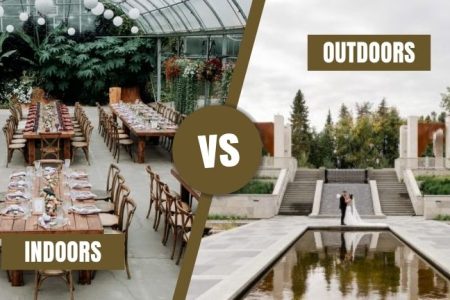
What do you specialize in? Outdoors, indoors, or both?
A photographer who specializes in bright, outdoor natural light may struggle in a dark, historic church. Understanding a photographer’s specialty shows where they perform best and helps ensure their skills match your venue’s conditions. This also helps set realistic expectations for your wedding photos.
Can you shoot a specific type of shot that we would like, which might not be your style?
A professional photographer should be willing to include a few specific requests, such as a preferred family grouping style or some special moments, within their usual workflow. Flexibility matters when you have clear preferences, and this question helps test their adaptability without sacrificing quality. However, expecting a photographer to completely change their style for your entire wedding is unrealistic.
Can we see the full galleries of a few of your recent weddings?
You should ask this question because full galleries show consistency, not just highlight shots they post on Instagram. They reveal how the photographer captures an entire wedding day from start to finish. Reviewing full galleries also helps you understand their true style and decide whether it matches your own, which is a major factor in making the right choice.
Pricing, Packages, and What’s Included
You should clearly understand the photographer’s prices and packages. Transparency at this stage helps prevent budget surprises later. Ask for a detailed pricing sheet or brochure so you can review everything carefully.
How much does your basic package cost?
You and your partner likely have a set budget for your wedding, and budget planning for a wedding photographer plays an important role within that overall budget. Knowing the cost of the basic package helps you see what is included and whether it fits within your budget. Clear pricing prevents surprises, and professional photographers explain their costs openly and confidently.
What’s included in your basic package? What add-ons do the more expensive packages include?
Standard inclusions typically cover the hours of photography, the number of photographers, and digital image delivery. Add-ons may include engagement sessions, albums, parent books, additional photographers, or extra coverage hours. Knowing these details clarifies what is included and helps you compare packages accurately. You can then choose the package that fits your values and budget, or opt for a higher-tier package if it’s within your budget or includes add-ons you really want.
How many hours are included in each package? How much do extra hours cost?
Coverage typically ranges from 6 to 10 hours, though each photographer may offer different coverage depending on the package. A basic package might include 6 to 10 hours, while a higher-tier package could offer 10 to 12 or more hours. Be sure to know exactly when coverage starts and ends, as well as the overtime rate (for example, $100 per hour) if the event runs longer than planned. Coverage time determines which moments get captured, and understanding these limits helps avoid rushed timelines.
Do you offer payment plans and installments?
Payment options help with budgeting and show a client-focused approach. If the photographer offers payment plans, it can make managing costs easier. Typically, a certain percentage (25%-50%) deposit is required to secure the date, with the remaining balance due before or shortly after the wedding. Make sure to clarify all payment deadlines. Be sure to discuss how the payment process works, when payments are due, and whether installment options are available.
Can I customize a package to fit my needs?
You should ask if it’s possible to customize your package, including coverage time or payment terms. Customization lets you focus on what matters most to you. Most wedding photographers have set packages, so they may not always accept changes, but there’s nothing wrong with asking and having a conversation about it.
If my event lasts longer than expected, will you stay? Is there an additional charge?
Ask if they would stay longer if the wedding runs past the planned coverage or even beyond the estimated extra time, and find out how much that would cost. Photographers typically charge extra for additional hours. Asking this question shows their flexibility and how they handle overtime situations.
Do you offer a photo booth?
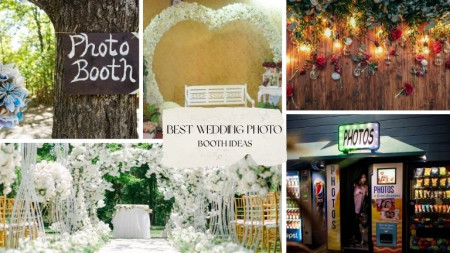
Some wedding photographers include a photo booth in their higher-tier packages, or they may offer it for an additional fee. On average, renting a photo booth can cost around $700, depending on the location, hours of coverage, and extra features. You can consider this if it fits within your budget, as it’s a popular addition at many weddings. A photo booth encourages guests to interact, uplifts the social atmosphere, and enhances the overall wedding experience.
Do you charge a travel fee, and what does that cover?
If your venue is outside the photographer’s standard area, a travel fee may be added to cover gas, mileage, or required overnight accommodations. For locations far beyond their usual range, you may also need to cover lodging. These fees should be clearly itemized and explained upfront. Transparent travel costs help you understand exactly what additional expenses to expect.
What is your refund/cancellation policy?
If, for any reason, you might need to postpone your wedding, be sure to ask about the photographer’s refund and cancellation policy. This helps you understand how they handle unforeseen situations. Contracts should clearly outline what happens, including which portions of your deposit or payments, if any, are refundable. Clear policies protect both parties and reflect professional business practices.
Logistics and Expectations
These questions help finalize the plan for a smooth wedding-day experience, ensuring the photographer is fully prepared and you know exactly what to expect. It makes sure everyone is on the same page and the day runs as seamlessly as possible.
When will we receive the contract?
You may feel tired of signing paperwork and contracts, but it’s important to remember that none of your vendors are officially booked until both parties have signed the agreement. This helps keep everything organized and gives you peace of mind, knowing you have secured a photographer whose style matches what you want for your wedding.
Will you be the photographer on the wedding day? If not, could I meet the person who will be shooting on the day?
If you are meeting with the owner of a studio, confirm that they will be the ones photographing your wedding. If not, make sure to meet the assigned photographer before signing the contract. This gives you time to understand their values, working style, and behaviour. Naturally, you want to meet the person who will be capturing the moments of your special day.
Will you have any assistants with you on our wedding day?
You should ask if there will be an assistant or second photographer to provide additional angles, cover simultaneous events (like bride and groom prep), and act as a backup. Understand their role and level of experience. Assistants help manage lighting, equipment, and timing. Make sure to check whether a second photographer is included in the basic package or only in higher-tier packages.
Do you have liability insurance? Does it cover your assistants, as well?
Liability insurance helps photographers cover legal costs related to their services, as long as there is no deliberate dishonesty, criminal act, or fraud. Some wedding venues require photographers to carry liability insurance. You should first check with your venue to see if this applies, and if it does, confirm with your photographer that they have the required coverage.
What type of equipment do you use? Do you have backup equipment?
Professional photographers use professional-grade cameras and lenses, which ensure reliability and high image quality. They should also bring backup cameras, lenses, flashes, and memory cards to handle any equipment issues. You can ask to confirm that, if anything goes wrong, it won’t compromise the quality or coverage of your wedding photos.
What about a backup plan if you are unable to shoot my wedding for some reason?
If, for some reason, your photographer is unable to shoot on your wedding day and has to cancel at the last minute, it can feel stressful. A professional photographer, however, will have a network of trusted peers they can call as a replacement. This contingency plan should be outlined in your contract, and you can ask to meet or review the replacement photographer. Discussing this in advance helps give peace of mind and prevents unnecessary worry.
Are you photographing other events on the same day as mine?
What they say in response to this question is important because it affects focus and scheduling. Shooting more than one event in a week may not be an issue, but covering multiple events on the same day can create challenges. Fatigue or time pressure could affect their energy and, in turn, the quality of the photos. Asking this question helps you understand their schedule for your wedding day and decide whether you prefer a photographer who is fully dedicated to your event.
What is your dress code on the wedding day?
They should dress professionally and blend with your guests, typically in formal or semi-formal attire unless otherwise discussed. If there is a certain color or aesthetic that the bridesmaids or groomsmen are deciding to wear, make sure to notify the photographer beforehand so they don’t get confused as bridesmaids or groomsmen.
Is it okay if other people take photos while you’re taking photos?
The answer to this question can vary from photographer to photographer. Some are comfortable with guests taking their own photos, while others may prefer fewer people blocking their angles. Asking about this in advance helps set expectations and avoid interference during important moments.
Will you be posting about our wedding on your website and social media?
If you’re happy for your wedding photos to be shared on social media or submitted to magazines to inspire other couples, let your photographer know that they have your permission to post them. You can even request that they feature your wedding. However, if you prefer to keep your wedding photos private and don’t want them shared with people you don’t know, you can ask the photographer not to post your images or submit them to any publications. These preferences are usually included in the contract, so make sure they are clearly stated.
After the Wedding: Delivery and Editing
The process after the wedding is just as important as the day itself. It’s essential to set clear expectations around what the final product will look like and how you will receive it. As capturing the photos is only one part of the work, editing plays a major role in shaping the mood, style, and overall feel of your wedding images, often giving them an entirely new life.
Do you provide retouching, color adjustment, or other corrective services?
Most wedding photographers include basic editing such as color correction, exposure adjustments, and cropping. Light retouching, like fixing stray hairs or minor blemishes, is often included as well. More extensive edits, such as body shaping or removing objects, usually come at an additional cost. Be sure to ask what level of editing is included and which types of edits will cost extra.
How long after the wedding will I get the proof? Will they be viewable online?
Ask how long it will take to receive the initial proof gallery and whether that timeline changes during peak wedding seasons. A professional photographer should provide clear and realistic turnaround times rather than vague estimates.
Online proof galleries make the experience more convenient, as they allow couples to easily view, select, and share images with family and friends. Be sure to ask whether the gallery includes download options, privacy controls, and how long it will remain available, as these details matter for long-term convenience and sharing.
Can we order prints or albums directly from you?
Any answer is fine here, but if you prefer working with a single vendor, you’ll likely want to order prints and albums directly from your photographer. Ordering directly simplifies the process and ensures color accuracy and print quality. If the photographer doesn’t provide this service, ask them to recommend a trusted vendor who does.
What type of album do you offer? Do you assist in selecting images and designing the album?
The world has gone digital, but a physical wedding album still feels special. It preserves your photos in a tangible format that can last for decades and be passed down through generations. Ask about album materials, page thickness, cover options, and print quality, as craftsmanship directly affects durability and long-term appeal. It is not just about the photos, but also the cover, overall aesthetic, and finishing details.
Album design requires thoughtful image selection and layout planning to ensure your story flows naturally. A photographer who helps with the design can highlight key moments and create a clear story. Since they captured the photos themselves, they know which images work best and which to leave out, saving you time and delivering a more polished final result.
How long after I order my photos/album will I get them?
Taking photos may not take long, but post-production is a lengthy process. Photographers need to select the best images, edit large numbers of photos, and sometimes re-edit and reorganize them in chronological order. You shouldn’t expect to receive your photos just a few days after the wedding. Most photographers deliver them within 4 to 12 weeks. Be sure to set expectations, ask about turnaround time, and make sure you’re comfortable with the timeline.
How many final images should I expect to receive?
Most couples typically receive around 800 to 1,500 photos. However, the number of images depends on factors like the length of coverage, the size of the wedding, and the photographer’s shooting style. It’s better to ask for an estimated range rather than a fixed number so you have a realistic expectation of what to receive from your wedding day coverage.
Will we have the rights to the images?
In most cases, you won’t own the rights to the images, since the photographer is the creator of their work. However, they typically grant the couple permission to use the photos for personal purposes. This information should be clearly stated in the contract. Always ask about your rights and make sure you feel confident and comfortable with the answer.
Red Flags to Watch Out For
You need to be careful when choosing the right photographer for your special day. Asking the questions above will help you understand their style and approach, but you should also be aware of some obvious red flags to watch out for.
- Professionalism: Pay attention to how they speak, the language they use, and whether they treat you and other vendors with respect. Also consider if they are dressing inappropriately.
- Communication: Watch for how responsive they are. If your photographer doesn’t reply to emails or messages without explanation, avoids giving clear answers, or tries to skip calls or meetings.
- Written Contract: Make sure your photographer provides a written contract outlining their services and terms. If they are fine with working without a contract, this could be a red flag and is something to consider carefully.
- Online Presence: In the creative field, having an online presence is important. If a photographer doesn’t showcase their work online, it could be a warning sign. This isn’t about their number of followers; it’s about whether they actively share and display their work.
- Payment: If a photographer asks for the full payment upfront without offering or explaining any payment plans, this can be a sign to be cautious. Professional photographers usually have a clear payment structure, such as a deposit with the remaining balance due closer to the wedding date.
- Portfolio: If their work lacks a consistent style, quality, or aesthetic across different weddings and moments. A portfolio that feels scattered or uneven may indicate inconsistency in how they capture and deliver wedding stories; it can be a concern
- Negative Review: If a photographer has consistently lower-than-average reviews online, take time to read them carefully. A few negative comments can happen to anyone, but repeated complaints about the same issues are a red flag.
- Price: If the price feels too low and seems too good to be true, or unusually high without a clear justification, it is worth being cautious. However, higher pricing can be reasonable if the photographer has extensive experience, a strong and consistent portfolio, or is well-established at a high or celebrity level.
Ask the Right Questions. Choose with Confidence.
Asking the right questions helps you understand a photographer’s style, professionalism, pricing, and process, while also protecting you legally and financially. Clear communication, transparent contracts, and realistic expectations reduce stress and prevent surprises.
Ultimately, choose a photographer who makes you feel confident, comfortable, and understood. When their values and working style align with your vision, you will enjoy not only beautiful photos but also a smooth, stress-free experience.
If you are looking for a photographer for your wedding in Calgary, contact Box Cube Studios and inquire about all your doubts. With over 10 years of experience capturing love stories that last a lifetime, we help couples understand the process and document their special day through a blend of documentary and fine art photography.