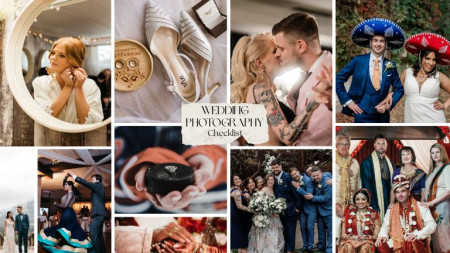


Planning a wedding involves making countless decisions, and one of the most important among them is how to allocate your photography budget. While elements like flowers and catering are enjoyed in the moment, your wedding photos become the lasting record of your day, preserving memories that remain long after the celebration ends.
Many couples find it challenging to decide how much to spend on wedding photography, often either overestimating or underestimating its value within the overall budget. Wedding photography is not just another expense; it is an investment in capturing emotions, details, and once-in-a-lifetime moments that cannot be recreated.
With so many pricing options and package variations available in the market, understanding where to start can feel overwhelming. This guide breaks down how to approach budget planning for wedding photography in 2026 with clear numbers, realistic scenarios, and practical trade-offs to help you make informed decisions that align with both your vision and your finances.
Why Wedding Photography Deserves Its Own Budget Plan
Think about what you’ll actually have from your wedding in 2035. The wedding venue will have hosted hundreds of other events. The food was eaten. The flowers were composted. But your wedding photos? Those still exist, sitting in albums, hanging on walls, stored safely in digital archives. Photography is the only element of your wedding day that continues to deliver value for decades.
In real 2026 average wedding budgets range from $20,000–$35,000, photography regularly sits in the top three expenses alongside venue and catering. This isn’t accidental; it reflects what couples prioritize when they think long-term about their investment. Professional photographers set their prices based on their own expenses, such as equipment, travel, and insurance, which are necessary to deliver consistent, high-quality service.
The challenge is that many couples either wildly underestimate (planning $500 for professional work) or overspend impulsively without understanding what they’re getting. A structured budget plan prevents both extremes. This planning should happen as soon as you’ve locked in a venue and rough guest count, not as a leftover category filled with whatever remains.
Investing in professional photography ensures that the beauty, joy, and love of your wedding day are captured in the highest possible quality. It provides specific numbers, sample budgets, and practical trade-offs rather than vague advice about “investing in memories.”
How Much Should You Budget for Wedding Photography? (Percentages & Real Numbers)
Using a percentage method keeps your entire wedding budget balanced while ensuring photography receives the priority it deserves. The general guideline for 2026 is allocating 10–12% of your total wedding budget to photography, with up to 15% if photos are a top priority and you are willing to adjust spending in other areas.
Here’s what that looks like in practice:
| Total Wedding Budget | Photography Budget Range | Coverage Level |
| $10,000 | $1,000–$1,500 | Lean, shorter coverage |
| $20,000 | $2,000–$3,000 | Mid-range, 6–8 hours |
| $40,000 | $4,000–$6,000 | Full coverage with extras |
Keep in mind that the longer your photographer works your event, the more money you’ll need to pay, so consider your timeline carefully when planning coverage. Payment structures can vary, with some photographers charging by the hour or offering packages based on the number of hours or services included.
Some competitors suggest 15% as a baseline, but 10–15% is more realistic in 2026, especially in major cities like Toronto, Vancouver, and Calgary, where demand and operating costs are higher. Photography pricing in these areas has also increased over recent years due to rising business expenses and overall wedding demand. If quotes in your area exceed these ranges, it often reflects either a high-cost region or photographers operating in the premium or luxury segment.
Before finalizing your decision, it is important to review full wedding galleries from any photographer you are considering. This helps ensure consistency in image quality across different lighting conditions, venues, and moments, giving you confidence in the final results.

Typical Wedding Photography Price Ranges in 2026
Wedding photography pricing varies widely depending on location, experience, and the scope of coverage. What $3,000 can secure in a smaller town may differ significantly from what it covers in major cities like Toronto, Vancouver, or Calgary, where demand and operating costs are higher.
In general, wedding photography in Canada follows a tiered pricing structure that reflects the level of experience, service, and deliverables included.
Budget Range: $1,000 – $2,500 CAD
This range typically includes 3 to 6 hours of coverage with a single photographer and delivery of images through a digital gallery only. It is commonly offered by newer photographers, part-time professionals, or those building their portfolios.
Budget packages are often suitable for intimate weddings, elopements, or micro weddings, where full-day coverage is not required. The focus is usually on essential moments such as the ceremony, portraits, and a portion of the reception.
While this option is more affordable, couples should carefully review portfolios, editing style, and consistency. Photography students or emerging photographers can provide good value, but evaluating previous work is essential to ensure quality meets expectations.
Mid-Range: $2,500 – $5,000 CAD
This is the most common and balanced price range for wedding photography and is often considered the sweet spot for many couples.
Photographers in this category are typically experienced professionals with a consistent portfolio and a strong understanding of wedding workflows. Packages usually include:
- 8 to 10 hours of coverage
- A professionally edited online gallery with downloads
- An engagement session (in many cases)
- Option to include a second photographer for part of the day
Hiring a photographer in this range provides a higher level of reliability, especially when dealing with varying lighting conditions, tight timelines, and unpredictable wedding day moments. Couples can expect a more structured approach, better storytelling, and consistent image quality across the entire event.
Premium Range: $5,000 – $10,000+ CAD
Premium wedding photography services cater to couples seeking comprehensive coverage, artistic direction, and a highly refined final product.
Packages in this tier often include:
- Full-day coverage (10–12+ hours)
- Two photographers or a second shooter
- Professionally curated and edited image galleries
- Custom-designed wedding albums
- Engagement sessions and optional rehearsal dinner or day-after coverage
Photographers in this category are highly experienced and often specialize in a distinct visual style, whether documentary, cinematic, or editorial. Their expertise ensures consistency across different environments, venues, and lighting scenarios.
In major cities, this range is increasingly common due to higher demand and elevated service expectations.
Average Photography Budgets for Different Types of Weddings
Guest count, length of day, and celebration style all change what a “average” photography budget looks like in Canada.
Elopements / Small Weddings (20–50 guests, 2–4 hours)
Photography range: $1,000 – $2,500 CAD for essential coverage of the ceremony and couple portraits. These shorter packages are ideal for intimate celebrations with simpler timelines and fewer logistical requirements. Small weddings or elopements often allow for more flexible and affordable photography options, making it easier to capture meaningful moments without requiring full-day coverage.
Semi-Traditional / Mid-Sized Weddings (80–120 guests, 6–8 hours)
Photography range: $2,500 – $4,500 CAD covering key parts of the day, such as preparations, the ceremony, formal portraits, and the beginning of the reception. This is a common choice for couples who want comprehensive coverage without committing to a full-day package. Photographers in this range are typically experienced professionals who can efficiently document the main highlights of the wedding.
Classic Full-Day Weddings (100–150 guests, 8–12 hours)
Photography range: $3,500 – $7,000 CAD in major Canadian cities like Toronto, Vancouver, and Calgary. These packages often include two photographers, an engagement session, and high-resolution digital files delivered through an online gallery. Full-day coverage ensures that every major moment is captured, from getting ready through to the reception and key celebrations.
Luxury / High-End Weddings (Multi-day events, premium venues, destination weddings)
Photography range: $7,000 – $20,000+ CAD. These packages are designed for large-scale or high-end weddings and often include highly experienced or in-demand photographers, extended coverage hours, second shooters, custom albums, and multi-day event coverage. Luxury weddings may also involve destination travel, additional sessions, and personalized service to ensure a highly curated photography experience.
What’s Usually Included in Wedding Photography Packages
Comparing prices without understanding inclusions is misleading. Read packages line by line before making decisions.
Typical core elements include:
- Specific hours of coverage (usually 6–12 hours)
- Number of photographers (1–2)
- Edited high-resolution images (quantity varies widely)
- Online gallery with download rights
- Some packages are designed to meet brides’ specific needs, such as bridal sessions or preparation coverage
Couples should ensure their contract explicitly includes high-resolution digital files and usage/printing rights to avoid additional costs later. It’s also a good idea to ask about package deals, as these can be more economical than individual services.
Common extras affecting price:
- Engagement photo session ($300–$1,000)
- Bridal session or rehearsal dinner coverage
- Day-after portraits in wedding attire
Physical products that add cost:
- 10×10 albums, parent albums, framed wall art
- These can add $300–$2,000+ depending on quality and quantity
A sample mid-range package might include 8 hours, 2 photographers, an engagement shoot, and a basic album for around $4,000.
Key Factors That Influence How Much You Need to Budget for Wedding Photography
Wedding photography costs don’t just reflect “nice photos”; they represent the time, skill, experience, equipment, and service level required to properly document your wedding day.
- Experience of the Photographer: More experienced photographers typically charge higher rates due to their consistency, technical expertise, and ability to handle unpredictable situations such as changing lighting or tight timelines. Their pricing reflects reliability and proven results.
- Hours of Coverage: The number of hours you book directly affects the cost. Shorter coverage (2–4 hours) is more affordable but captures fewer moments, while full-day coverage (8–12 hours) provides complete storytelling from start to finish.
- Number of Photographers: Adding a second photographer increases coverage and allows multiple angles and moments to be captured simultaneously. This is especially useful for larger weddings, but it also increases the overall price.
- Deliverables and Final Products: Digital-only packages are usually more affordable, while albums, prints, and custom products add to the total cost due to design and production expenses.
- Location and Travel Costs: Weddings outside the photographer’s local area may include travel fees for transportation, accommodation, and time. Destination or remote weddings often require custom pricing to account for these additional logistics.
You May Want to Know: Local Photographer Vs Travel Wedding Photographer
Step-by-Step: How to Plan Your Wedding Photography Budget
Start by determining your total wedding budget and deciding where photography ranks among your priorities. Does it sit alongside the venue and food, or below entertainment and decor? This ranking shapes everything. Involving family members in the planning process can help you get valuable recommendations, share experiences, and even negotiate better deals with vendors.
Next, set your percentage at 10–15% and convert that into a realistic price range. A $30,000 wedding budget means $3,000–$4,500 for photography. Check this against local averages by reviewing 3–5 photographer websites or directories in your area. When reviewing photographer websites, be sure to look at full wedding galleries to verify the consistency of a photographer’s quality across different lighting situations.
If all short-listed photographers exceed your range, you have options: raise the total budget, reallocate money from decor or favors, or shorten coverage hours. Many couples find trimming guest list size (which reduces costs across multiple categories) more palatable than cutting photography quality.
Build a 5–10% contingency in your photography line for overtime, extra prints, or an upgraded album after seeing the images. Better to have a buffer than scramble later.
Smart Ways to Save on Wedding Photography Without Ruining Your Photos
Savings are possible, but some popular shortcuts backfire badly. Misrepresenting your event as a “party” to get non-wedding rates damages trust and leads to under-prepared coverage.
- Choose off-peak dates: Friday or Sunday weddings, or off-season months like January, February, or November, often find many photographers more flexible on price or minimum hours. Photographers often offer 10–30% discounts for weddings on Fridays, Sundays, or during off-peak months (typically November through April), which can help you save money.
- Trim non-essential coverage segments: Extensive table-by-table photos or late-night dance floor shots can go if the budget is tight. Focus spending on the ceremony, portraits, and key reception moments like first dance and toasts.
- Start with a digital-only package: Add albums or wall art on your first anniversary instead of loading everything into the initial contract. This spreads costs over time.
- Simplify your timeline: Smaller guest lists under 60 people and simpler schedules reduce complexity. Fewer moving parts often mean fewer hours needed, lowering overall costs.
- Bundle services: Some photographers offer discounts when combined with videography through their business or partner vendors.
- Use photo-sharing apps: Encourage guests to capture candid moments using photo-sharing apps, which can supplement professional coverage and help save money.
- Set up a DIY photo booth station: A photo booth is a fun and interactive way for guests to capture memories without the added cost of extra professional coverage.
- Distribute disposable cameras: Placing disposable cameras on reception tables invites guests to capture moments from their perspective, adding unique photos to your collection.
- Consider DIY wedding photography: For couples with basic photography equipment and a keen eye for detail, DIY wedding photography can be a great success and a way to save money.
Questions to Ask Before Booking a Wedding Photographer
Choosing the right photographer involves more than simply comparing prices. Asking your wedding photographer the right questions ensures you can make a confident and well-informed decision.
- Can you show me your full wedding portfolio?
- What is your photography style (candid, traditional, or editorial)?
- Do you have backup equipment and a contingency plan?
- How long will it take to receive the final photos?
- What are the payment terms and cancellation policies?
Mistakes to Avoid When Budgeting for Wedding Photography
Even with careful planning, many couples make avoidable mistakes when setting their wedding photography budget. Being aware of these can help you make more informed decisions and avoid disappointment later.
- Booking too late: Waiting too long to book a photographer can limit your options, especially during peak wedding seasons. Popular photographers are often booked in advance, so delaying may leave you with fewer choices.
- Choosing price over quality: Focusing only on the lowest price can lead to disappointing results. Prioritizing experience and consistency helps ensure your wedding memories are captured properly.
- Not reviewing full galleries: Highlight images don’t always reflect overall performance. Reviewing full galleries gives a better sense of consistency across an entire wedding.
- Hiring amateurs without proper evaluation: Hiring friends or inexperienced photographers to save money can be risky, particularly for larger weddings. Always review their previous work before deciding.
- Not setting a clear budget early: Failing to define a budget up front can lead to overspending. A clear plan helps you choose a package that fits your overall wedding budget.
- Ignoring package details and hidden costs: Important details like hours of coverage, number of photographers, deliverables, travel fees, overtime, taxes, and album upgrades are often overlooked and can increase the final cost.
- Booking too many or too few hours: Overbooking increases costs, while underbooking may result in missed moments. Choose coverage that matches your wedding timeline.
- Not reading the contract carefully: Skipping the contract can lead to confusion about payment terms, cancellation policies, and deliverables. Reviewing it ensures clarity.
- Ignoring flexibility in photographer options: Some couples assume a preferred photographer is out of budget without exploring alternatives like shorter packages or associate photographers, which may offer more affordable options.
Is Wedding Photography Really Worth That Much of the Budget?
Five to ten years from now, your wedding photos will become one of the main ways you revisit the day when details and impressions have faded. The way the light hit during your first dance. Your grandmother’s expression during the ceremony. Friends laughing at the reception. These moments exist in photographs when memory becomes unreliable.
Couples rarely regret spending more on photography when they love the results. Many do report regretting skimping when they dislike their images or have very few usable photos. This pattern appears consistently in wedding planning discussions. Choosing a professional photographer means you can trust that everything will be taken care of without worrying about your pictures.
A professional photographer’s fee covers far more than the wedding day itself: planning meetings, communication, travel, backup equipment, insurance, 75+ hours of editing time, and long-term file storage. The visible work is just the tip of the iceberg.
Compare a $3,000–$5,000 photography investment with other parts of your wedding budget you won’t see again after 24 hours. Chair rentals, premium open bar upgrades, and elaborate centerpieces are gone by morning. Prioritize what you want to remember most: emotions, people, and relationships. Quality professional photography preserves exactly these elements. A good photographer can make the most out of any situation and create beautiful images, ensuring your memories are captured perfectly.

Conclusion and Final Tips
Thoughtful budget planning for wedding photography ensures you get the images you’ll treasure for a lifetime without unnecessary stress or overspending. Start early, research your options, and prioritize what matters most to you, whether that’s full-day coverage, an engagement session, or a custom album. Don’t be afraid to ask questions and communicate openly with your photographer about your expectations and budget. Remember, the most important thing is to capture the moments, emotions, and people that make your wedding day unique. With careful planning and the right professional by your side, you’ll have beautiful images to look back on for years to come.
If you are planning your wedding and want a photographer who aligns with both your vision and budget, Box Cube Studio offers flexible packages designed to suit different needs while maintaining high-quality storytelling. Choosing a professional with adaptable options can help you achieve the coverage you need without compromising on results.